Plant Icon Decorative for Embroidery: A Maker’s Review
First Impression: A Quiet, Modern Botanical Mood
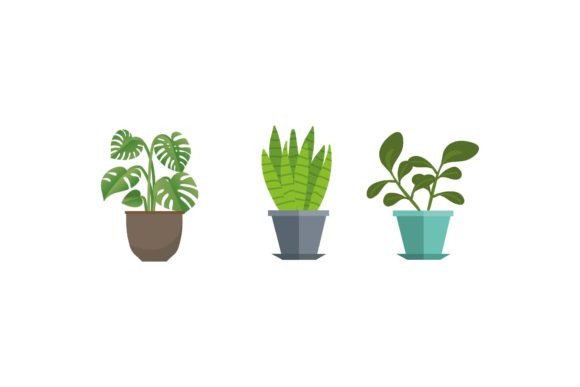
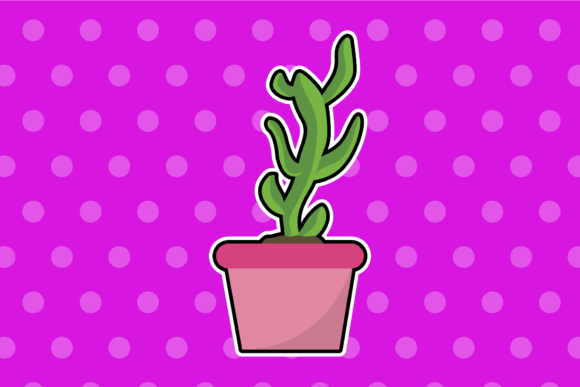
Right away, the Plant Icon Decorative file set hits a note that feels refreshingly restrained. It doesn’t shout for attention. Instead, it carries a clean, almost architectural line quality that sits somewhere between a delicate houseplant sketch and a contemporary logo mark. The shape language is gentle but intentional—leaves curve with purpose, stems have a soft taper, and the overall composition avoids the fussy over-detailing that can spell disaster for machine embroidery. As someone who has tested dozens of icon-style designs on everything from dense canvas to slippery jersey, I immediately start picturing where this would live best: a crisp linen tea towel, a minimalist baby onesie, or a subtle corner accent on a handmade tote bag.
The mood feels botanical, airy, and slightly Scandinavian. It would work beautifully for a small-batch home décor line or for a crafter building a plant-themed collection. It’s not rustic or vintage—it’s crisp, modern, and ready to be stitched with a limited thread palette. The clean silhouette means the design will read clearly even from a few feet away, which is exactly what you want on a finished product at a craft fair or in an Etsy listing photo.
Where This Plant Icon Truly Belongs
When I hold a design in my mental library of past projects, I ask one question: what would I actually stitch it onto? With Plant Icon Decorative, the answer comes fast. I can see it turning a plain white apron into a boutique kitchen staple. I can picture it scaled down to a tiny 2-inch motif on a baby bodysuit, or enlarged for a statement pillow cover that catches the light. The category Icons really fits here—this design is graphic, readable, and purposefully simple. That simplicity is its superpower. It won’t fight for attention on a busy garment, and it won’t overwhelm a small surface.
A few natural homes for this design include:
- Custom embroidered tote bags for a plant shop pop-up
- Minimalist sweatshirts with a single chest motif
- Matching tea towel and apron sets for wedding gifts
- Baby nursery décor like lightweight blankets or muslin swaddles
- Subtle cap embroidery on the side or back panel
- Reusable produce bags or linen market bags
Testing It on a Real Project: The Kitchen Towel Scenario
Let me walk you through a real-world slice of my studio. I’m preparing a set of six organic cotton tea towels for a local kitchen boutique. The client wants something botanical, uncluttered, and giftable. I load the Plant Icon Decorative artwork into my digitizing software and immediately notice the proportions are friendly. The 1920px by 1280px resolution gives plenty of detail to work with—no jagged edges, just smooth vectors that translate into clean stitch paths. I decide to run the design about 4 inches tall on the corner of each towel, using a soft sage green thread on a cream background. The satin stitch outline I plan for the leaf edges will feel silky, while the interior fill stitch will keep the towel flexible and absorbent.
This is where the design’s real personality shows. The gaps between stems are open enough to avoid a dense, bulletproof patch. The curves are gradual, so my machine won’t need to make jerky, tiny stitches that pucker the fabric. I test on a scrap piece first, and the result is crisp, peaceful, and exactly what I hoped for. The client’s feedback? “It looks like it grew there.” That’s the kind of response you want from a botanical icon.
Practical Considerations Before You Stitch
Any experienced embroiderer knows that a beautiful design on screen doesn’t always sew beautifully. Here’s what I’d pay close attention to with Plant Icon Decorative.
Hoop Size and Placement
Because the artwork is provided as a high-resolution graphic, you have full control over the final stitch size. But smaller isn’t always better. If you plan to stitch this under 2 inches, you’ll want to check the thickness of the stems and the gaps between leaves. Too tiny, and those lovely open spaces close up, turning into a blob. I’d recommend nothing smaller than 2.5 inches wide for the full design, unless you’re willing to simplify the digitizing heavily. A 4x4 hoop can handle it comfortably, but a 5x7 hoop gives you room to add a name or a small line of text for a personalized gift.
Fabric and Texture Traps
This icon will behave beautifully on tightly woven cotton, linen, and twill. On a plush towel or a napped fleece, the clean lines might lose some definition. The satin stitch edges could sink into the pile and look irregular. I’d reserve it for smooth surfaces. On stretchy fabrics like a onesie or a knit tee, a good cutaway stabilizer and a basting box are non-negotiable. Without them, the design will distort the first time the garment is worn. I’ve learned that lesson the hard way.
Dark Fabrics and Thread Color Choices
Light, airy designs like this one can disappear on a dark background if you don’t bump up the contrast. I always test a black-and-white version of the mockup first. For a navy sweatshirt, I’d switch to a warm cream or a soft gold thread instead of sage. The Plant Icon Decorative artwork gives you the flexibility to experiment, but actual stitch results depend on the thread brand and sheen. A matte polyester thread will keep the modern look intact; a high-shine rayon might make it feel a little too glossy for a natural plant motif.
Stitch Density and Washing Durability
Because the design is open and airy, you can keep the stitch density moderate. Too many stitches in a small area, and the fabric will feel stiff and scratchy—something no one wants on a baby item or a kitchen towel. I’d aim for a light fill stitch with a density around 4.5–5.0 pts, and satin widths no wider than 4mm. After a few warm washes, the design should hold up without puckering, as long as you’ve used a good stabilizer and a lock stitch at the end of each color block.
The Digital File Reality: What You’re Actually Getting
Let’s be clear about something important. The product listing says you get 6x Digital Files in total — 1920px X 1280p. This is a graphics pack, not an embroidery file. You won’t find a .PES, .DST, or .EXP format here. That doesn’t devalue it at all. In fact, for a designer who digitizes their own work or hires a digitizer, this is a smart purchase. The high resolution means you can scale the artwork without losing crispness, and you can create multiple embroidery file sizes from the same source. You can also use the graphics for printable mockups, product previews, and branding materials—something a stitched file alone can’t do.
Before you spend an afternoon digitizing, though, check the license. The seller’s note says “Don’t Forget To Follow My Account,” but doesn’t spell out commercial use terms. I always message the seller to confirm: can I sell finished items with this design? Can I use it on products I list on Etsy or at craft fairs? Can I alter the artwork for embroidery purposes? These questions protect your business. If the license is limited to personal use, respect that. If it’s commercial, keep a copy of the permission for your records.
How This Design Shapes Customer Perception
When you stitch Plant Icon Decorative onto a product, you’re not just adding decoration—you’re adding a story. A simple plant icon signals calm, nature, growth, and a mindful aesthetic. That’s a huge selling point for handmade goods. Customers who buy botanical-themed items often look for a sense of care and quiet beauty. The design’s straightforward lines also make the product look professional, not like a hobbyist’s first attempt. That’s a trust builder. It says you understand proportion, negative space, and the power of less.
For a small shop, this design can become a signature. Use it consistently across product photos, packaging, and social media, and it becomes a recognizable brand element. Because it’s a graphic, you can even print it on hang tags or use it as a watermark in your previews. That’s a bonus that a pure embroidery file doesn’t offer.
Final Notes for the Maker’s Workflow
Before you commit Plant Icon Decorative to a full production run, do these things:
- Test stitch on a piece of the same fabric you’ll use for the final product.
- Adjust thread colors under natural light—never rely on the screen alone.
- Check the digitized version for tiny details that might break or become too thick. Simplify if needed.
- If you plan to sell items, confirm the commercial license in writing.
- Wash the test piece and examine for any stitch shifts or fraying.
This plant icon, in the right hands, becomes a quiet gem. It’s not a showstopper, and it’s not supposed to be. It’s the kind of design that feels like a breath of fresh air on a handmade product, and that’s exactly what many buyers are searching for. I’ve already added it to my personal library of go-to botanical assets, and I suspect you will too.