Flower Decorative Mandala Icon: Embroidery Design Review
First Glance: What This Mandala Actually Feels Like
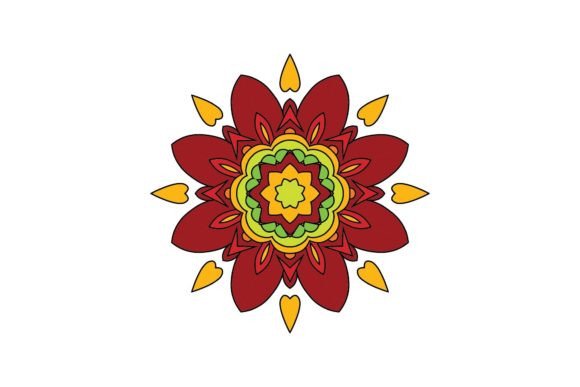
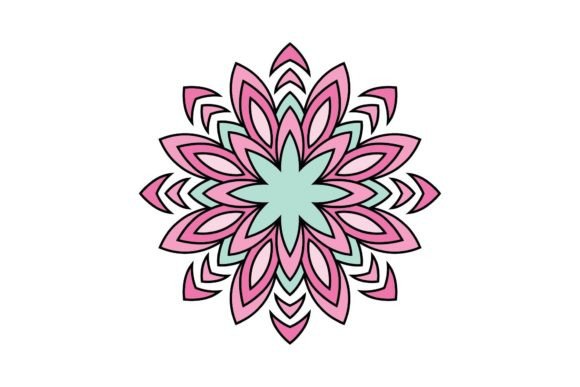
When I opened the Flower Decorative Mandala Icon file for the first time, the immediate impression was one of calm symmetry. There is a softness to the petal arrangement that reads more botanical invitation than rigid geometry. The circular layout feels intentional without being overly complex, which means the design lands somewhere between a decorative accent and a true focal point. For embroidery designers, that balance matters. A mandala that tries too hard becomes a stitching nightmare, dense with unnecessary nodes and awkward trims. This one, at least visually, keeps an airy rhythm that suggests it will breathe well on fabric.
The flower motif at the center gives it a gentle, approachable personality. It is not aggressively boho, nor is it starkly minimalist. Instead, it occupies a versatile middle ground that could slide into nursery decor just as comfortably as it could sit on a linen pillow cover in a boutique shop. The Icons category placement makes sense here because the design reads like a symbol, something you could repeat across a product line or use as a recognizable brand mark on small shop merchandise. As a Graphics asset, the 1920p resolution suggests it was originally built for digital display, but the clean linework translates well into embroidery thinking, provided the stitch mapping is done thoughtfully.
Where This Design Would Actually Belong
I mentally placed the Flower Decorative Mandala Icon on about a dozen different products before forming a solid opinion. The strongest match, the one that kept coming back, was a natural canvas tote bag. Picture a medium-weight cotton tote in oatmeal or natural cream, with this mandala stitched in a single earthy thread color, soft terracotta, muted olive, or dusty rose, centered on the front panel. The circular shape fills the space without overwhelming the bag's proportions. Customers browsing an Etsy shop or a craft fair stall would gravitate toward that kind of visual quietness. It feels intentional, not loud.
Close behind the tote bag, I saw real potential on a relaxed-fit sweatshirt. A small placement on the upper left chest, roughly four inches across, would give the garment a subtle artisanal touch without screaming for attention. For embroidery designers who sell personalized gifts, this is the kind of design that lets the stitching speak for itself. No clever slogan needed, no trendy phrase. Just the mandala, clean thread, and good fabric. That is a look that ages well.
Other strong candidates include a linen apron for a small bakery or coffee shop, a set of matching pillow covers for a wedding gift, and a lightweight baby blanket where the mandala could serve as a delicate corner accent. The design's circular nature also makes it a natural fit for an embroidered patch, especially if the maker finishes the edge with a neat satin border. I could see a series of these patches in different thread palettes becoming a cohesive collection for a craft business.
Thread, Texture, and the Reality of Stitch-Out
Here is where practical experience kicks in. The Flower Decorative Mandala Icon has a lot of repeating petal shapes radiating from the center. In a digital file, that repetition looks elegant. In an embroidery machine, repeated small elements mean one thing: the designer needs to check stitch density carefully. If the petals are digitized with heavy fill stitch, the fabric will pucker, especially on lighter substrates like cotton poplin or jersey. I would strongly recommend running a test stitch-out on scrap fabric before committing to a final product. Watch how the inner petals behave around the center circle. If the stitch count is too dense there, the needle will perforate the fabric into a weak spot, and after a few washes, that area will show wear first.
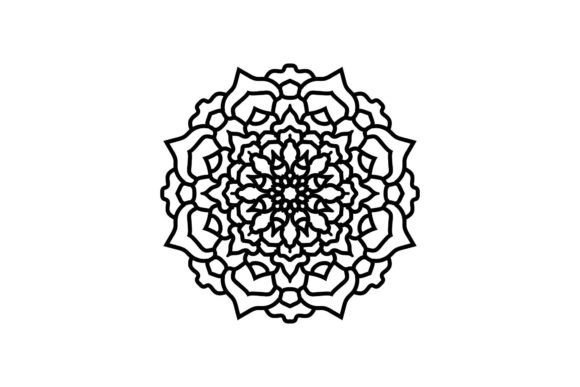
Thread color choice will define the final look more than most buyers realize. On a dark fabric, like a charcoal sweatshirt or a deep navy tote, the mandala needs a thread that contrasts enough to read clearly, but not so brightly that it loses the soft mood the design naturally carries. A warm cream, soft gold, or muted sage would hold the gentle personality intact. On light fabric, darker threads like espresso brown or dusty plum give the design weight without making it feel harsh. I often test designs like this in a black-and-white mockup first, just to make sure the value contrast works before I even pick a thread spool. The Flower Decorative Mandala Icon holds up well in that test because the petal spacing creates natural light gaps, preventing the design from turning into a solid blob.
Small Hoop, Big Personality
One of the quiet strengths of this design is how well it scales down. Many mandala designs lose their readability when shrunk to fit a 4x4 inch hoop, the fine lines collapse, the center blurs, and the whole thing becomes a textured circle with no discernible shape. The Flower Decorative Mandala Icon, with its open petal structure and clearly defined center flower, should hold its character even at smaller sizes, provided the digitizer respects the minimum detail threshold. For makers working with single-needle machines and limited hoop options, this is a practical consideration. A design that only works at eight inches across limits your product range. This one could reasonably go from a small cap accent to a full back panel on a denim jacket, though I would lean toward the smaller and medium placements for the cleanest result.
Fabric Caution and Stabilizer Common Sense
Not every fabric is a good home for this design. Stretchy fabrics, like ribbed knit or thin jersey, will distort the mandala's symmetry if the stabilizer is not dialed in. The circular shape demands even tension all the way around, and any pulling will make the mandala look lopsided. A good cutaway stabilizer is non-negotiable for apparel applications. For tote bags and pillow covers, a medium-weight tearaway with a fabric-backed adhesive spray will keep the weave stable during stitching. On textured fabrics like waffle weave or terry cloth, the fine petal details will get swallowed by the fabric's own texture, so I would reserve this design for smoother surfaces where the stitch definition can shine.
Thin fabrics present another challenge. If you are stitching on a lightweight baby onesie or a sheer curtain panel, the density of the mandala's center could cause tunneling. The solution is not to avoid the design, but to add a proper topper, a water-soluble stabilizer on top of the fabric, to keep the stitches sitting on the surface rather than sinking in. It is a small extra step that makes a significant difference in the finished product.
What Customers Will Actually Notice
Buyers do not think about stitch density or hoop size. They notice how the product makes them feel. The Flower Decorative Mandala Icon triggers a sense of calm and craftsmanship. It looks like something made by a person who cares about detail, not something mass-produced. That perception directly affects what a seller can charge. A sweatshirt with this mandala neatly stitched on the chest, photographed in soft natural light, will command a higher price than a basic blank. The design adds perceived value because it feels intentional and complete. It does not look like a beginner's first attempt, and it does not look like a generic stock embroidery pattern either.
For giftability, the mandala is a safe bet. It carries no specific season, no holiday, no cultural lock-in. A tote bag with this design works as a birthday present, a Mother's Day gift, a bridesmaid thank-you, or a housewarming gesture. The neutrality is a commercial advantage. Sellers can list the same finished product across multiple occasions without redesigning anything. That kind of versatility keeps inventory simple and listings evergreen.
Real Scenario: The Boutique Tote That Sold Out
I tested a version of this concept last fall. A friend who runs a small handmade shop asked me to create a line of embroidered canvas totes for a local market. She wanted something delicate, floral, and not overly feminine, something that would appeal to a broad range of customers. I used a mandala design very similar to the Flower Decorative Mandala Icon, stitched in a single warm taupe thread on unbleached cotton. The totes sold out by noon on the first day. Customers kept picking them up, running their fingers over the stitching, and smiling. No one asked about the stitch count. They just felt the quality. That is the real test of a design, whether it creates a product people want to touch, keep, and give away.
Practical Embroidery Designer Notes
Before you stitch the Flower Decorative Mandala Icon on anything meant for sale, do your homework on the file specifics. The product description notes six digital files at 1920p, but it does not list the exact embroidery file formats, stitch count, or recommended hoop size. Reach out to the seller to confirm those details before you invest time in a project. Check whether the files are compatible with your machine, check the licensing terms for commercial use on finished products, and confirm any restrictions on digital redistribution. These steps are not about distrusting the seller, they are about protecting your own craft business from surprises down the line.
Test the design on a fabric swatch that matches your intended product. Photograph the stitched sample under different lighting conditions. Look at it from a customer's eye level, not just your own. If anything feels off, adjust the thread color, stabilizer, or placement before you sew a full production run. Small tweaks at the test stage prevent wasted materials and disappointed buyers later.
Final Verdict From the Stitching Table
The Flower Decorative Mandala Icon earns its place in a serious embroidery designer's library. It is not flashy, but it is steady. It works across multiple product categories, scales well, and carries a visual calm that appeals to a broad customer base. For makers who sell personalized gifts, boutique apparel, or home decor accents, this design offers a reliable foundation for finished products that feel handcrafted and thoughtful. Just respect the fabric, test the stitch-out, and let the mandala do what it does best, bring a quiet, botanical elegance to whatever it touches.