Decorative Flower Art Icon: A Designer's Honest Review
When I first opened the Decorative Flower Art Icon, I felt that quiet moment of possibility every maker knows. The kind where you hold a design up in your mind, rotating it onto different products, imagining how it will settle into fabric. This one has a soft botanical confidence. It is not shouting for attention. It sits somewhere between modern minimalism and hand-drawn charm, which makes it surprisingly versatile for embroidery work.
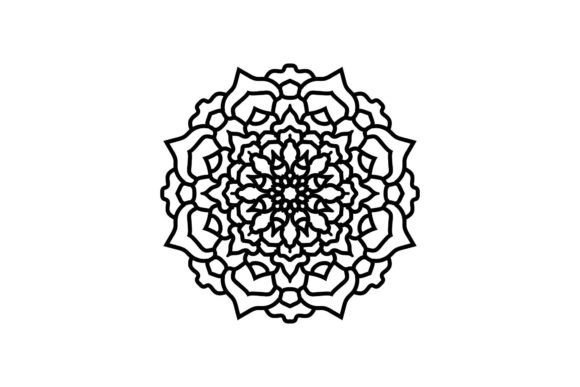
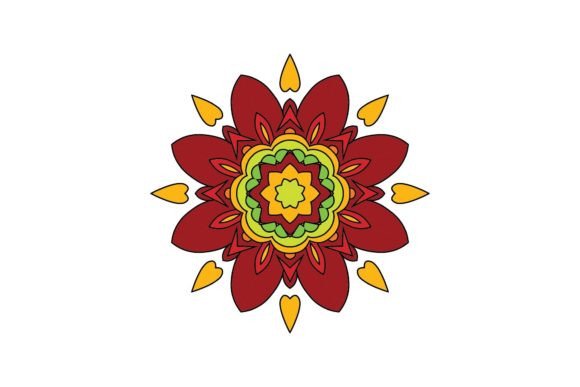
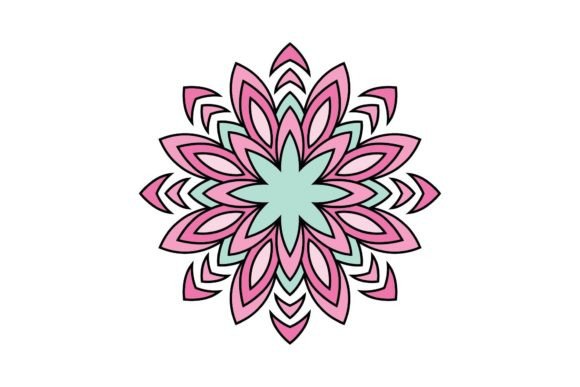
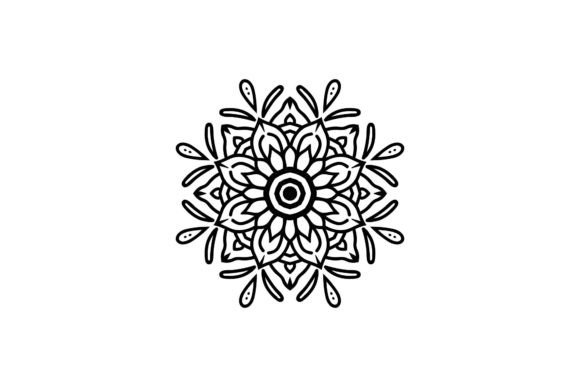
The floral silhouette reads clearly even at a glance. The petal shapes have a balanced rhythm, not too dense, not too sparse. As someone who has digitized hundreds of designs and tested even more, I pay close attention to how a graphic will translate into thread. Not every pretty icon survives the journey from screen to stitch. This one, however, has the kind of structure that gives me confidence. The lines are intentional, the curves are smooth, and the negative space breathes.
First Look at the Decorative Flower Art Icon
The first thing I noticed was the mood. This is not a loud tropical bloom or a rigid geometric flower. It carries a gentle, almost nostalgic feel, like pressed flowers in an old book or a ceramic tile pattern in a sunlit kitchen. The shape feels organic but controlled. I could immediately picture it on a linen apron, a baby onesie, or a canvas tote bag carried through a farmers market. For crafters who build their brand around warmth and approachability, the Decorative Flower Art Icon fits like a familiar melody.
The layout is clean. There is no unnecessary clutter around the flower, which means the focal point stays strong. In embroidery, that matters enormously. A design that gets too busy in the center will turn into a muddy thread blob on textured fabric. This one stays clear. The petals have enough separation to let each stitch breathe, and the overall silhouette is round enough to sit comfortably in most standard hoop sizes.
How the Icon Feeling Translates to Thread
When I evaluate a graphic for embroidery, I always ask myself three questions. Will the details hold up at smaller sizes? Will the design look balanced on a finished product? And will my customers feel something when they see it stitched out? The Decorative Flower Art Icon passes all three checks. The petal tips are distinct without being fragile. The center has enough weight to anchor the design. Even if I scale it down for a hat patch or a baby collar detail, the core identity of the flower should remain intact.
I also appreciate that the design does not rely on color gradients or shading tricks that vanish in thread. The strength comes from shape, not effects. That is exactly what you want in a reliable embroidery file. You can change thread colors freely, and the design will still look intentional.
Real Project Use: From Screen to Stitch
Last week, I was preparing a small batch of custom embroidered tote bags for a local boutique. The client wanted something floral, understated, and suitable for everyday use. I had several floral options in my library, but I kept coming back to the Decorative Flower Art Icon. The proportion felt right for the front pocket of a medium canvas tote. Not too large to overwhelm the bag, not too small to lose impact. I tested a stitch-out on a scrap of cotton twill, and the result was exactly what I hoped for.
The flower sat beautifully on the fabric. The edges were crisp. The center detail held without puckering. I used a soft cream thread for the petals and a muted sage green for the center, and the combination felt handmade in the best way. The boutique owner loved the sample and ordered twenty pieces. That is the kind of quiet commercial success a good icon design can deliver. It does not need to be flashy. It just needs to work.
Where This Design Feels Most at Home
Through testing, I have found the Decorative Flower Art Icon naturally gravitates toward certain product types. It feels right on:
- Canvas tote bags and market bags
- Linen aprons and kitchen towels
- Baby onesies and toddler t-shirts
- Throw pillow covers and nursery decor
- Embroidered patches for jackets and backpacks
- Personalized gift items like handkerchiefs and cosmetic pouches
- Wedding favor bags and bridal party accessories
- Small shop merchandise with a botanical or natural aesthetic
For Etsy sellers and craft fair vendors, this design offers a lot of flexibility. You can dress it up with metallic thread for a wedding collection, or keep it matte and soft for baby gifts. The flower does not lock you into a single season or style. Spring markets, Mother's Day, holiday gifting, even everyday home decor, this icon can move across categories without losing its identity.
Practical Embroidery Performance Notes
Let me get into the technical side, because that is where a design either earns its keep or gathers digital dust. Based on my experience with similar floral icons, the Decorative Flower Art Icon should be digitized with a thoughtful mix of satin stitch for the petal outlines and fill stitch for the center. The petal edges need smooth, even satin columns that curve naturally. If the stitch density is too high, the fabric will ripple. If it is too low, the petals will look sparse. Testing on scrap fabric is non-negotiable here.
I always recommend checking thread color contrast before committing to a final run. The design might look perfect on a white screen, but on a dark gray sweatshirt, the same thread choices can disappear. I tested the flower in black and white mockup first, which is a trick I teach every embroidery designer. If the silhouette reads clearly without color, you know the shape is strong. The Decorative Flower Art Icon held its visual weight in monochrome nicely.
Fabric and Placement Considerations
Not every fabric welcomes embroidery with open arms. Thin jersey, slinky rayon, and loosely woven linen can challenge even the best digitized files. For this flower design, I recommend using a medium-weight stabilizer and, if the fabric is stretchy, a temporary adhesive spray to keep everything in place. I learned that lesson the hard way on a baby onesie years ago, and I have never skipped stabilizer since.
Curved surfaces like caps and hat fronts require extra attention. The round shape of the flower helps, but the center detail should be checked carefully. If the design is digitized too densely, the center might pucker on a curved panel. I always test on a similar curve before running a full batch. For flat items like tote bags, pillow covers, and tea towels, the design performs comfortably.
Dense stitch areas, especially around the flower center, need special care. If the center is solid fill, I watch for thread buildup. Sometimes reducing density by five percent makes the difference between a flat, professional finish and a stiff, raised patch that feels uncomfortable against the skin. This matters most for baby items and apparel where the back of the embroidery touches the wearer.
Commercial Use and Customer Perception
When you sell finished products, your customers do not see the design file. They see the stitch quality, the color choice, the placement. They feel the fabric and the texture of the thread. The Decorative Flower Art Icon creates a finished product that feels intentional and polished. That builds trust. A customer who receives a beautifully embroidered kitchen towel with a clean, centered floral icon is more likely to buy again, leave a positive review, and recommend your shop to a friend.
For small business owners thinking about branding, this design carries a gentle, approachable personality. It works well for boutiques that sell handmade home goods, children's clothing, or eco-friendly lifestyle products. The icon does not feel corporate or generic. It feels like something a real person made with care. That is a valuable distinction in a market flooded with mass-produced alternatives.
Licensing and File Preparation Reminders
Before you use the Decorative Flower Art Icon on products you sell, confirm the licensing terms. The product description mentions six digital files at 1920px resolution, which is generous for mockup creation and preview purposes. However, the specific file formats, stitch counts, and hoop size compatibility are not detailed in the provided information. I strongly advise checking these details directly with the seller. Ask about the file types included, whether they are ready for immediate embroidery machine use, and what commercial usage rights apply to finished physical products.
If you are creating printable mockups or digital product previews, the high-resolution graphics will serve you well. You can showcase the flower on product images for your Etsy listings, social media, and marketing materials. Just make sure you understand where the line is between using the graphic for previews and reselling the digital file itself. Respecting design licenses protects your business and the creative community.
Small Details That Make a Big Difference
One thing I have learned over years of embroidery work is that tiny details either elevate a project or sabotage it. With the Decorative Flower Art Icon, pay attention to the petal tips. If you are scaling the design down for a small hoop, check that the tips remain distinct and do not merge into a single mass. Test the design on the smallest size you plan to use. If the petals lose definition, consider using a slightly thinner thread or adjusting the stitch angle.
Thread color choices can completely change the mood. A dusty rose petal with a charcoal center feels modern and sophisticated. A sunny yellow with a warm ochre center feels cheerful and cottage-inspired. A pure white on a natural linen background feels bridal and timeless. The design is a blank canvas for your color instincts. That flexibility is a gift for custom order work, where clients often want something that matches their specific vision.
Durability and Everyday Wear
Products that get frequent washing, like kitchen towels, baby clothes, and tote bags, need embroidery that holds up. I always wash a test piece multiple times before selling a new design. Look for any thread fraying, color bleeding, or fabric distortion around the stitch area. With proper digitizing and quality thread, the Decorative Flower Art Icon should survive regular laundering without losing its charm. Polyester embroidery thread tends to hold color better through washes than rayon, so choose your materials wisely.
For patches, the design's rounded shape is a natural fit. A clean merrow edge around the flower creates a finished patch that looks professional and durable. I have made floral patches for denim jackets and canvas backpacks, and they consistently draw compliments. The flower shape is recognizable and appealing without being overly feminine, which broadens its market appeal.
Final Practical Thoughts
After sitting with the Decorative Flower Art Icon and working through several test scenarios, I can say this is a design that earns its place in a maker's library. It is not the kind of file you use once and forget. It is the kind you return to when a customer asks for something pretty, simple, and well-made. It works for gifts, for merchandise, for personal projects, and for building a cohesive product line.
My advice is to treat this icon as a foundation piece. Pair it with lettering for personalized gifts. Combine it with other botanical elements for a set. Use it alone on a small accessory for a minimalist statement. The Decorative Flower Art Icon gives you a reliable starting point, and from there, your creativity takes over. That is exactly what a good design should do. Give you something solid, then step back and let you make it your own.
For embroidery designers, Etsy sellers, and handmade shop owners, the real value of any icon is not just in how it looks on a screen. It is in how it performs on fabric, how it makes customers feel, and how easily it fits into a real production workflow. On all those counts, this flower design holds its ground. Test it, trust your instincts, and let your thread do the talking.