Vintage Floral Decorative Flower: Graphics & Crafts Review
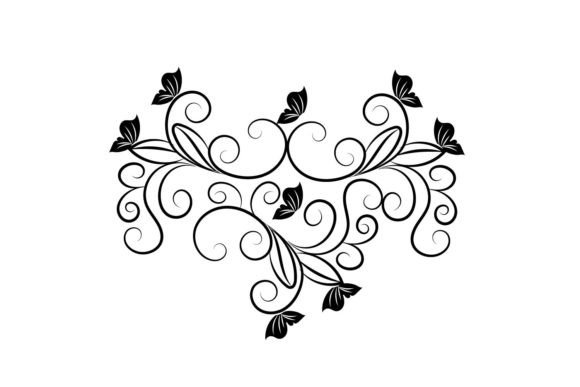
When I first unzipped the Vintage Floral Decorative Flower folder, I was immediately struck by the delicate balance between old-world charm and contemporary usability. This isn't the kind of overly ornate Victorian pattern that feels stuffy or dated. Instead, it carries a soft, romantic quality that feels both nostalgic and fresh. The linework suggests a hand-drawn origin, with gentle curves and botanical details that remind me of pressed flowers found in a grandmother's journal. For anyone building a digital product shop around feminine aesthetics, rustic wedding themes, or cottagecore-inspired merchandise, this asset lands in a very comfortable sweet spot.
The visual personality sits somewhere between elegant and approachable. It's not minimalist by any stretch, but the composition avoids the cluttered, chaotic feel that plagues so many vintage floral designs. The petals have a natural flow, the stems curve with intention, and the overall silhouette reads clearly even at reduced sizes. That matters enormously when you're designing product thumbnails that need to grab attention in a crowded marketplace feed. Whether you're targeting Etsy buyers looking for printable wall art, Creative Fabrica subscribers hunting for their next design bundle, or Shopify store owners curating a seasonal collection, the aesthetic here is versatile enough to serve multiple niches without feeling generic.
Unpacking The File Formats And What They Actually Mean For Sellers
The package includes a compressed zipped folder containing several formats: AI, EPS, high-resolution PNG at 300 dpi, SVG, and PDF. Before you get excited, the note about making sure your machine can handle these formats is not just boilerplate. If you're primarily a Canva user who's never opened Adobe Illustrator, the AI and EPS files might sit untouched on your hard drive. That's fine. What matters is that the PNG and SVG files are immediately useful for the vast majority of online selling scenarios.
The 300 dpi PNG with transparency is the workhorse here. I tested it on light backgrounds, dark backgrounds, and overlaid on textured kraft paper mockups. The edges held up cleanly, and the transparency behaved exactly as expected. For print-on-demand products, this is non-negotiable. The SVG file is what Cricut and Silhouette users will gravitate toward first. I ran a quick test cut with my Cricut Maker, and the cut lines translated smoothly from the vector data. No jagged edges, no broken paths, no frustrating nodes that need manual cleanup. That's not always the case with floral SVG designs, so this was a pleasant discovery.
The PDF is a nice inclusion for those who want to print directly without any editing software, and the AI and EPS files give designers full control for recoloring, resizing, and integrating the artwork into larger compositions. If you're selling digital products that customers expect to customize, having these editable formats adds perceived value to your offering.
Testing The Asset Across Real Product Scenarios
Before I ever list a graphic design asset in my shop or use it in a finished product, I run it through a gauntlet of practical tests. I'm not looking for what looks pretty on my screen. I'm looking for what actually works when a customer downloads it, prints it, cuts it, or applies it to a physical item.
I started with printable wall art, which is arguably the lowest-hanging fruit for this type of design. Placed on a warm cream background with a simple serif title beneath it, the Vintage Floral Decorative Flower created an instantly giftable piece. The 300 dpi resolution meant I could scale it up to an 11x14 inch print without any pixelation concerns. For Etsy sellers specializing in instant download prints, this is a plug-and-play solution that requires minimal additional design work.
Next, I moved to print-on-demand products. I mocked up a tote bag, a ceramic mug, and a unisex t-shirt. The floral design performed beautifully on the tote bag, where the natural composition filled the printable area without awkward cropping. On the mug, I had to be more selective. The full design felt too busy for a standard 11-ounce mug template, but isolating a portion of the floral cluster created an elegant wraparound detail. The t-shirt test revealed something important: this design works best on lighter fabric colors. On a dark heather gray, the delicate linework lost some visibility, and the vintage charm started to feel muddied. If you're marketing this as a t-shirt design for dark garments, you'll want to adjust the color palette or add a contrasting background element.
For Cricut projects, the SVG truly shined. I cut the design from adhesive vinyl and applied it to a wooden sign board. The weeding process was straightforward, with no impossibly thin stems that tear under pressure. The negative space between petals was generous enough to work with, which anyone who's spent an hour picking tiny vinyl fragments out of a design will deeply appreciate. This would work beautifully for tumbler wraps, decorative glass etching, or custom packaging design elements for small businesses.
Where The Design Truly Shines
After testing across multiple product categories, I've identified the scenarios where the Vintage Floral Decorative Flower performs at its absolute best. Large product previews and themed bundles are where this asset earns its keep. When you're building a seasonal collection, whether for spring weddings, Mother's Day, or botanical-themed home decor, having a cohesive floral element that you can thread through multiple products creates brand consistency and visual storytelling that customers notice. This isn't just about making individual products look good. It's about building a shop aesthetic that feels intentional and curated.
The design also excels in decorative layouts for invitation templates, greeting cards, and social media templates. Placed in the corner of a Canva template with a handwritten script font overlay, it provides that handcrafted, artisanal feel that sells so well on creative marketplaces. For bloggers and content creators, this is the kind of illustration that elevates a Pinterest pin from generic to premium. The perceived value of a product increases when the supporting visuals feel thoughtfully designed rather than stock-photo generic.
Product mockups benefit enormously from well-placed floral accents. I created a product mockup scene where the design appeared as a decorative element on a thank-you card tucked into a packaging flat lay. The result felt like a cohesive brand experience rather than a standalone product shot. For small business branding, these subtle applications matter more than many sellers realize.
Where You Need To Proceed With Caution
No design asset is universally perfect, and honest evaluation means acknowledging the limitations. The Vintage Floral Decorative Flower struggles in tiny sticker details. If you're designing kiss-cut sticker sheets where individual floral elements need to function at half-inch sizes, the delicate linework will lose definition. The same applies to crowded thumbnails where the design competes with multiple other elements for attention. In a busy Etsy search results page, a thumbnail that relies entirely on this floral pattern without clear focal points may get scrolled past.
I also found that text-heavy templates can overwhelm the design or vice versa. If you're creating a planner sticker sheet where functional boxes and labels need to dominate, the floral elements should be used sparingly as accents rather than full-bleed backgrounds. Dark backgrounds consistently muted the vintage charm, so if your brand palette leans toward deep navy or charcoal, you'll need to make adjustments to the design's colors or opt for a white outline treatment.
For Cricut and Silhouette users creating sticker designs with intricate cut paths, always test the SVG on your specific machine settings before committing to a production run. While my tests went smoothly, blade sharpness, material type, and cut pressure settings all influence the final result. The same caution applies to sublimation designs. The muted vintage tones may not transfer with the vibrancy that brighter, more saturated artwork delivers, so color calibration on your specific sublimation setup is essential.
Commercial Licensing And Practical Seller Considerations
Before you build an entire product line around this asset, confirm the commercial license terms explicitly. Can you use it in finished products for sale? Does the license cover print-on-demand usage? Are there restrictions on the number of units you can sell? These questions matter more than the aesthetic appeal of the design itself. A beautiful asset becomes a liability if you violate licensing terms and face a takedown notice on your best-selling product.
I recommend organizing the files clearly before delivering them to customers. Rename the folders with descriptive, searchable terms rather than the manufacturer's default naming conventions. If you're bundling this with other design assets, provide a clear PDF guide that explains which file formats work for which software. This small step reduces customer confusion and the dreaded "I can't open this file" messages that eat into your response time.
Testing the design on real mockups before publishing your listing is non-negotiable. Preview it as a marketplace thumbnail at actual search result size. Check how it renders on both white and dark backgrounds. Print a physical sample if you're selling printable products. Verify PNG transparency by overlaying it on colored backgrounds. Inspect SVG cut quality by running a test cut on the material you intend your customers to use most. These steps take time, but they prevent the negative reviews that come from customers discovering problems you should have caught first.
When it comes to pairing this graphic design asset with typography, I tested it with several font families. A delicate script font matched the vintage mood beautifully for wedding-related products. A clean sans serif font created a modern contrast that worked well for contemporary home decor items. Serif fonts amplified the traditional, heritage feel, while a playful handwritten font opened up possibilities for more casual, rustic product lines. The versatility here is a genuine strength. You can position the same floral element across multiple product categories simply by changing the accompanying typography and layout.
For creative marketplace sellers who are building design bundles, this asset integrates smoothly with other botanical illustrations, watercolor textures, and vintage ephemera. The cohesive style means you can build a substantial digital download collection without visual inconsistency undermining the perceived value. Customers who buy one floral product from your shop are more likely to return when they see a consistent aesthetic quality across your catalog.
The Vintage Floral Decorative Flower isn't a revolutionary design that will single-handedly transform your online selling business. But it's a reliable, well-executed printable design that delivers exactly what it promises. The file quality is solid, the aesthetic is marketable, and the versatility across physical and digital products makes it a practical addition to a working designer's toolkit. If your shop caters to customers who appreciate botanical elegance with a handcrafted feel, this asset deserves a place in your next product collection.