Mandala Decorative Abstrac Icon
First Impressions: Calm, Contemporary, and Quietly Bold
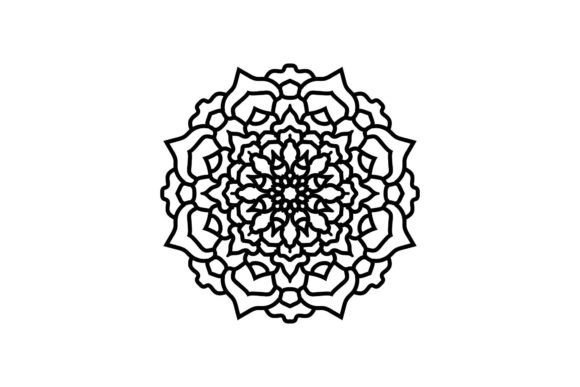
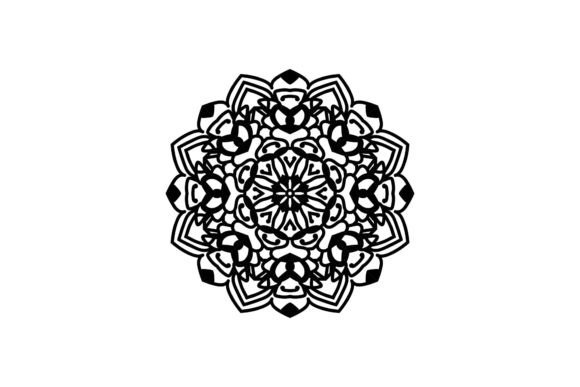
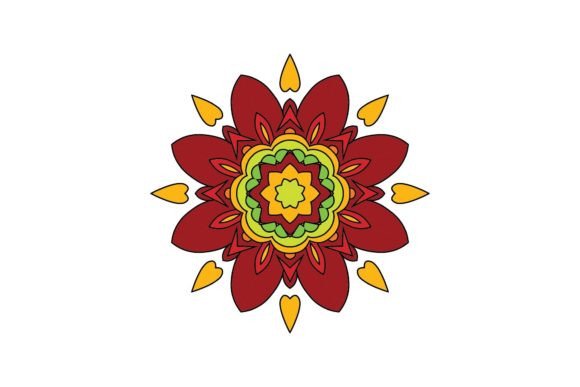
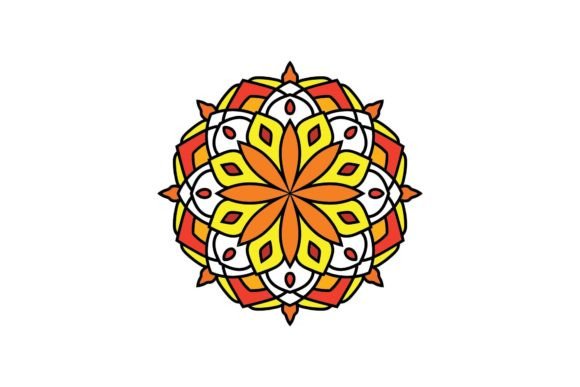
When I opened Mandala Decorative Abstrac Icon, I wasn’t met with frantic detail or overwrought symmetry — instead, it offered a grounded, centered presence. The layout leans into gentle radial flow without rigid geometry, suggesting mindfulness without leaning into cliché spirituality. It feels modern enough for a boutique apron but soft enough for a baby onesie. As an embroidery designer who’s stitched hundreds of mandalas, I appreciate that this one avoids visual noise: no tiny petals, no micro-lines, no overlapping layers that’ll vanish in thread. Its abstraction works in its favor — it reads clearly at 3–4 inches wide, which is exactly where most small-batch makers need it.
A Real Project Test: Embroidering It on a Linen Tea Towel
Last week, I used Mandala Decorative Abstrac Icon for a limited-run kitchen collection — five hand-stitched linen tea towels for a local gift shop. I chose a medium-weight linen blend, medium tear-away stabilizer, and matte cotton thread in charcoal and oat. The result? Clean, tactile, and quietly luxurious. Customers didn’t just say “pretty” — they paused, traced the shape with their fingers, and asked, “Is this hand-drawn?” That’s the sign of a design that translates well from screen to stitch: it holds intention, not just illustration.
Where It Shines (and Where It Needs Thought)
Mandala Decorative Abstrac Icon performs best when given breathing room and intentional contrast:
- Custom apparel: Works beautifully on sweatshirt chest placements and tote bag corners — its balanced weight prevents drooping or distortion on knit fabrics, as long as you use cut-away stabilizer underneath.
- Baby embroidery: Gentle enough for onesies and burp cloths; no sharp points or fragile elements that snag during washing.
- Embroidered patch: Stitches cleanly at 2.5–3.5 inches — ideal for iron-on or sew-on patches on denim jackets or backpacks.
- Holiday & wedding gifts: Feels special without being seasonal — pairs well with neutral thread palettes for timeless gifting.
- Etsy listings & printable mockups: Renders crisply in digital previews; its clean silhouette stands out even in thumbnail size.
But here’s where attention matters:
- Small hoop sizes (under 4"): The outer edges soften if scaled too tightly — test before committing to a 3" cap front placement.
- Textured or napped fabrics (terry cloth, fleece): Fill stitch areas may sink slightly — add a light topping stabilizer or reduce density in your software if possible.
- Dark fabric + light thread: Because the design relies on shape over fine line work, it stays legible — but avoid ultra-thin satin stitch borders unless you’re confident in your machine’s tension.
- Curved surfaces (caps, curved pillow covers): Avoid placing it across major seams or crowns — center it on flat panels instead.
What It Adds to Your Finished Product — Beyond Aesthetics
This isn’t just decoration — it’s subtle brand language. When I added Mandala Decorative Abstrac Icon to a set of handmade ceramic mugs (embroidered on matching cotton sleeves), customers associated the motif with care and intention — not mass production. That perception lifts perceived value, especially for Etsy sellers and craft fair vendors. It also supports consistency: whether you’re using it on a sweatshirt, a pillow cover, or a holiday card insert, the icon carries the same quiet confidence.
For small shop owners, it’s versatile enough to serve as a signature accent — think corner embroidery on napkins, sleeve detail on aprons, or minimalist branding on packaging tags. And because it’s abstract rather than literal (no flowers, animals, or words), it sidesteps trend fatigue. I’ve seen similar designs hold up across three seasons without feeling dated.
Practical Designer Notes Before You Stitch
Before loading Mandala Decorative Abstrac Icon into your machine or listing it in your shop:
- Always test on scrap fabric first — especially if you’re using stretchy knits or delicate weaves like rayon challis.
- Check thread color contrast early — what reads as elegant on screen can disappear on heather grey or navy without testing.
- Review stitch density in your embroidery software. If fill areas feel heavy for lightweight fabric, consider reducing density by 5–10%.
- Confirm hoop size compatibility — the description mentions “1920”, likely referencing resolution or file dimensions, but verify actual stitch width/height before scaling.
- Inspect small details at 200% zoom — look for stray nodes or unconnected paths that could cause jump stitches.
- Test black-and-white mockups — does it retain clarity in monochrome? This matters for branding flexibility and accessibility.
- Compare light vs. dark backgrounds — not just for fabric, but for digital listings and social media thumbnails.
- Use proper stabilizer — medium cut-away for knits, tear-away for stable wovens, and optional topping for pile fabrics.
- Confirm licensing — since this is listed under Icons and Graphics, double-check whether commercial use (e.g., selling finished embroidered goods or reselling digital files) is permitted.
A Design That Earns Its Place
Mandala Decorative Abstrac Icon doesn’t shout — it settles in. It’s the kind of embroidery file that makes your tote bags feel considered, your baby items feel tender, and your boutique merchandise feel cohesive. It won’t solve every design challenge, but it solves a very real one: finding a meaningful, stitch-friendly icon that works across mediums, audiences, and seasons — without requiring hours of digitizing tweaks. For crafters building a recognizable handmade product line, or Etsy sellers curating a thoughtful digital shop, it’s less of a “nice-to-have” and more of a quietly essential tool.