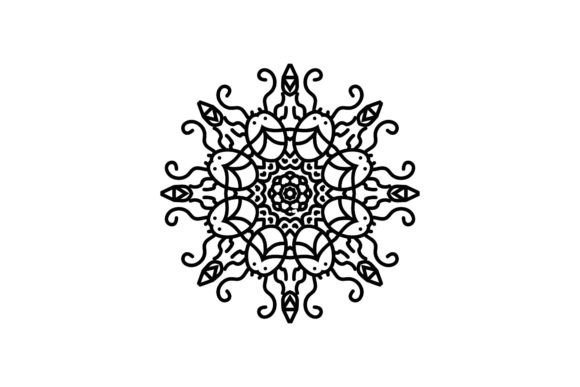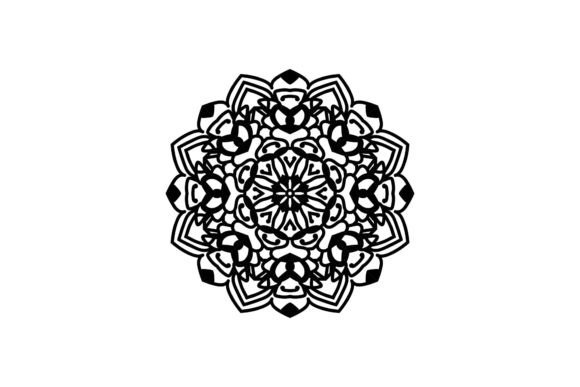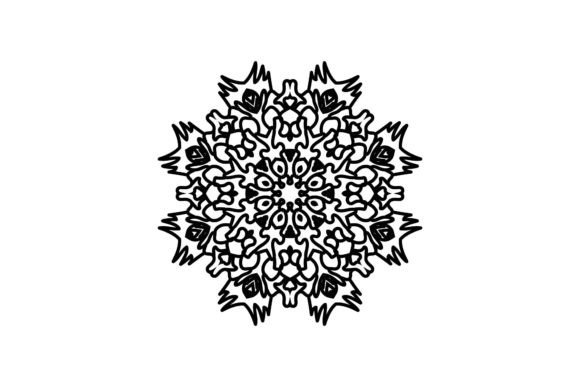
Indian Mandala Decorative Icon: Graphics & Icons for Soulful Branding
As a graphic designer who’s built visual identities for yoga studios, Ayurvedic skincare lines, handmade paper goods brands, and seasonal wellness campaigns, I opened the Indian Mandala Decorative Icon with quiet anticipation—not for novelty, but for authenticity. This isn’t just another clipart download. It’s a deliberate, hand-crafted graphic design asset that lands somewhere between sacred geometry and contemporary decorative sensibility. The first impression? Calm weight. Balanced symmetry. A subtle warmth in line rhythm and negative space that feels intentional—not algorithmic.
A Visual Anchor for Handmade Business Branding
I’m currently developing a brand identity for a small-batch herbal tea company launching a “Monsoon Rituals” collection—think hand-poured blends, cotton muslin sachets, and earth-toned packaging. The Indian Mandala Decorative Icon immediately resonated as a hero graphic for their product mockups, website hero section, and limited-edition label accents. Its layered concentric forms evoke tradition without cliché; it reads as culturally grounded, not generic. That matters—especially when your audience values intentionality over trend-chasing.
Where It Shines in Real Client Projects
- Product mockups & packaging design: Scales beautifully on mug wraps, tote bag prints, and sticker sheets—especially when placed as a centered focal point or subtle border repeat.
- Social media graphics: Works powerfully in Instagram carousels and Pinterest pins where mood and visual cohesion drive engagement. Paired with soft serif or gentle script fonts, it elevates editorial design without competing for attention.
- Printable design & wall art: At 1920px × 1280px, it holds crisp detail for 8×10” and 11×14” prints—ideal for Etsy sellers offering digital downloads or print-on-demand creators building themed collections.
- Cricut project & sublimation design: The AI file ensures clean vector editing—crucial when resizing for iron-on transfers or intricate cut files. No pixelation, no jagged edges.
- Brand identity support: Not a logo—but an exceptional supporting element. Use it as a watermark, pattern base, or chapter divider in lookbooks and digital catalogs to reinforce visual trust and emotional appeal.
Where to Use It Thoughtfully
This isn’t a one-size-fits-all SVG design. Its ornamental density means it needs breathing room. Avoid cramming it into tight spaces like app icons, tiny favicon variants, or minimalist business card corners—it’ll muddy visual hierarchy and weaken brand consistency. Similarly, skip placing it over busy photographic backgrounds or low-contrast gradients; its strength lies in clarity, not camouflage. And while it enhances handmade business aesthetics, it doesn’t suit corporate law firms, fintech dashboards, or ultra-modern tech branding—those demand cleaner, more restrained design assets.
Designer Notes You Can’t Skip Before Client Use
- Test contrast rigorously: Preview the icon on both light and dark backgrounds—especially if using it in web design or digital ads. Some mandala linework fades on warm creams or deep charcoals.
- Check black-and-white conversion: Print it grayscale. Does the pattern retain legibility? Subtle line variations can vanish—critical for packaging labels or embroidery guides.
- Inspect file integrity: Open the AI file in Illustrator—verify layers are organized, strokes are editable, and anchor points are clean. If you need to recolor or isolate elements (e.g., for t-shirt design), this saves hours.
- Match typography intentionally: It pairs gracefully with organic serifs (like Playfair Display) and flowing scripts—but clashes with rigid geometric sans serifs (e.g., Montserrat Bold). Test combinations in actual layouts.
- Confirm commercial license scope: This is non-negotiable. Verify whether redistribution (e.g., in a Canva template or design bundle) is permitted—or if usage is limited to end-client deliverables only.
- Preview at real-world sizes: Zoom out to 25% in your layout software. Does it still feel balanced? Then zoom in to 300%—are fine details sharp or fuzzy? This predicts performance across printable design, web banners, and social media graphics.
Why It Fits the Creative Marketplace—And Your Next Project
The Indian Mandala Decorative Icon stands apart from mass-produced clipart because it carries visual intelligence—not just decoration. It supports storytelling: for a boutique candle brand, it whispers ritual; for a meditation app, it suggests focus; for a craft fair booth, it signals care. As a graphic design asset, it strengthens audience engagement by tapping into universal symbols—while remaining distinct enough to avoid visual fatigue.
For designers sourcing creative design elements for client work, this isn’t filler. It’s a strategic tool—one that adds depth to marketing visuals, refines packaging design, and quietly reinforces brand identity without shouting. Whether you’re building an Etsy product suite, designing a seasonal campaign for a local wellness studio, or crafting a printable design bundle for creative entrepreneurs, the Indian Mandala Decorative Icon delivers substance, scalability, and soul.
Just remember: great design assets don’t replace judgment—they sharpen it. Use this one with intention, test it thoroughly, and let its quiet symmetry do the work.